
7 Ways of Reading Philosophy: #6 Reading for laughs
Why so serious? Philosophy, mood, and why sometimes, seriousness is overrated.
Why so serious? Philosophy, mood, and why sometimes, seriousness is overrated.

Is drunkenness the enemy of philosophical sobriety? Or are there circumstances where drunkenness can make our philosophical insight more acute?

When the going gets tough, it can be good to read philosophy out loud.

In our final class, we're looking back at the last six weeks, and looking forward to ask about the future of work.
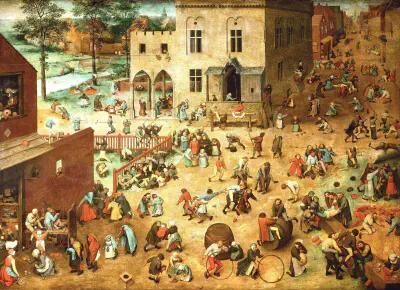
We spend a lot of our life not just working, but also playing. But what is play, and why does it matter?

Is idleness a bad thing? Or does taking idleness more seriously offer us new possibilities for human liberation?

In the last piece, we explored the idea that work might just be the thing that saves us. But what if the reverse is true?

Why be a dutiful reader, when you can read self-interestedly?

Work, according to Thomas Carlyle, is a purifying fire that saves us from all vices. But is Carlyle right? And is work really a path to virtue?

The philosopher Hannah Arendt provides an incisive account of work, labour and action. This week, we see how Arendt can help us think better about work.

Is philosophy the love of wisdom? Or is it, as some philosophers have suggested, the wisdom of love?

What does it mean to say "I love you"? And how do these three words change our sense of ourselves, our commitments, and our future?

Does love lift us up where we belong? Or is it a kind of madness?

When reading philosophy, it's easy to feel under the obligation to read systematically. But why not give up on feelings of obligation, and read haphazardly?

In this week's class, we are getting philosophical about desire, and asking questions about the philosophy of sex. Happy reading!

Often the advice is that we should read philosophy slowly and carefully. But there's a lot to be said for reading at a gallop.

What are the limits of human love? Can we love everyone? Or should we only focus on those closest to us?

There are many ways you can read a philosophy book. In this first in a series of blog posts, I'm going to explore what it means to read philosophy differently.

Amazonian social philosophies of love and community, and how for social primates, community is fundamental to how we live and love.

The last few decades have seen a growth in the scientific study of wisdom. But what is the science of wisdom? And what gets left out of these accounts?

Philosophy is the love of wisdom. But what about Foolishness?

For Mencius and Aristotle, wisdom entails the cultivation of virtues.

Wisdom is often seen as an intellectual virtue. But what role does the body have in developing and maintaining wisdom? In this class, we're looking at flesh and spirit, gut feelings, and why wisdom cannot ignore the body.

In this week's class, we're exploring the limits of wisdom, and we're looking at two very different philosophers, one from the European tradition, and one from the Chinese tradition: Socrates and Zhuangzi.

In this class, we're exploring Aristotle's ideas of theoretical and practical wisdom, heading on perilous Atlantic sea voyages, and asking about what it means not just to know stuff, but also to act wisely.

In the first lesson of season one, we're asking about wisdom, what it is, how it matters, and how to cultivate it.